Bitcoin mining’s electricity use hit around 190 terawatt-hours in December 2025, a 38% jump from mid-2024, according to early findings from the Cambridge Centre for Alternative Finance. Researcher Alexander Neumueller shared the numbers at the Energy Investors Forum in Dallas. Cambridge plans to publish the full Digital Mining Industry Report sometime in 2026.
Hydropower Takes the Lead
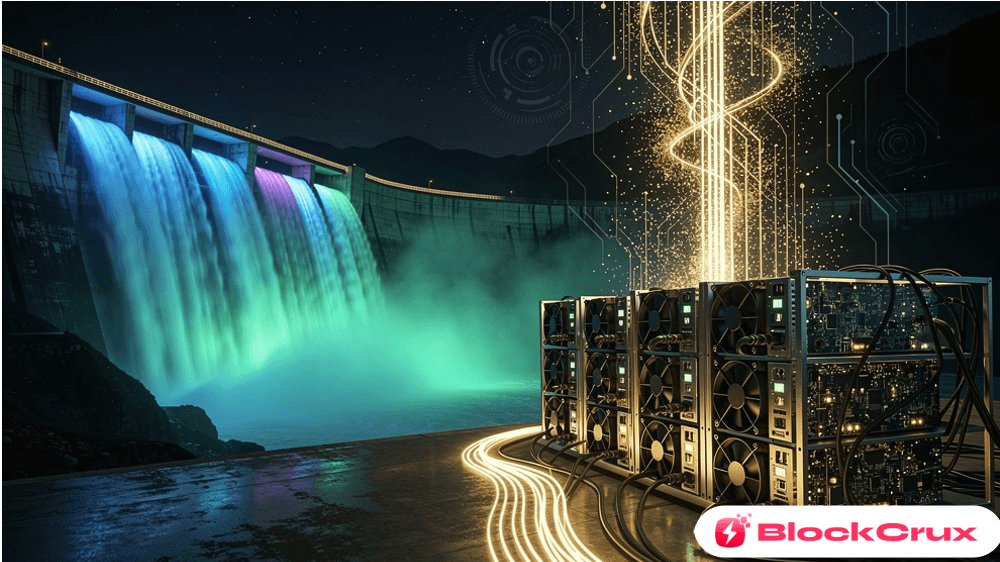
The earlier 2025 report had natural gas as the biggest source, supplying 38.2% of miners’ power. Renewables and nuclear added up, while coal dropped to under 9%. But the latest update flips that order. Hydropower now edges out natural gas, though Cambridge hasn’t released exact shares. Neumueller said stronger survey coverage in countries like Ethiopia, where cheap hydro from the Grand Ethiopian Renaissance Dam powers mining, likely explains part of the shift.
Power Use Climbs, Emissions Rise Slower
Annualized demand went up by about 52 TWh. That figure reflects what mining would use if December’s rate continued for a full year — not actual 2025 consumption. Emissions increased by roughly 20%, from 40 million to 48 million tonnes of CO₂ equivalent, which is slower than the pace of electricity growth. Miners reported using more low-carbon energy, but the overall jump in computing power (hashrate) from new machines outpaced efficiency gains.
Survey Limits and Method Gaps
Cambridge based its new estimates on responses from miners representing over half of global hashrate. Wider coverage helps, but surveys can skew geographic results. U.S. companies sent many responses, likely inflating America’s share. The reported hydropower rise may partly reflect better data from Ethiopia and other hydro-heavy markets. Cambridge’s earlier survey-based model gave 39.8 million tonnes of emissions, while a location-based model put it at 69.6 million. The big gap shows how assumptions about locations, contracts, and grid mixes can change outcomes.
Miners Eye AI, but Actual Deployments Still Small
About 10% of surveyed miners already shifted some power to AI or high-performance computing. Another 40% are actively exploring it. But Neumueller warned that exploration isn’t commitment — AI centers need expensive networking, cooling, and reliability gear that basic mining sites lack. Bitcoin miners can cut load quickly when power prices spike, while AI customers want steady, guaranteed power. Still, nearly 90% of respondents expect AI and HPC diversification to grow. Listed miners have announced over $70 billion in related contracts. TeraWulf, for example, made more revenue from HPC hosting than Bitcoin mining in early 2026.
The data show two trends happening at once: Bitcoin mining uses more electricity, but hydropower and other clean sources account for a larger slice. Meanwhile, miners are testing whether their sites can handle AI services. Cambridge’s full report, due later in 2026, will provide a detailed energy breakdown and final methodology.