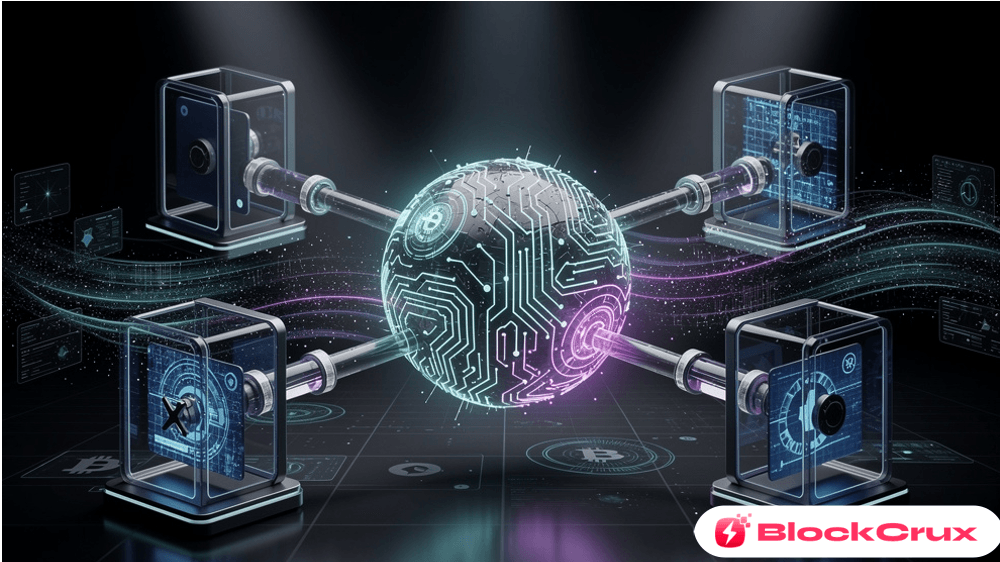
In recent months it has become increasingly clear: Bitcoin miners are no longer just mining.
More and more companies in the sector are shifting part of their operations toward artificial intelligence. This is giving rise to a new hybrid model that combines energy infrastructure, data centers, and advanced computing. It is not a passing fad. It looks like a structural change.
The phenomenon can be summarized in a simple formula: bitcoin mining plus AI.
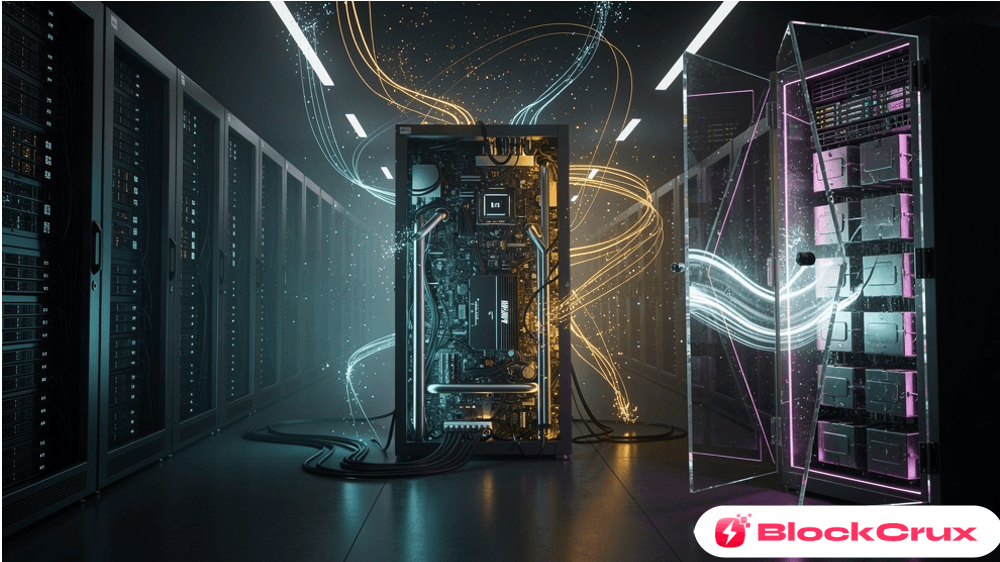
For years, mining was seen as a relatively simple activity: energy in, hashes out. Today this is no longer the case. Over time, mining companies have built something much more valuable. These elements are exactly what artificial intelligence needs. Training AI models requires enormous amounts of computing power and, above all, energy. And miners are among the few players already ready to provide it.
The economic reasons behind the shift
The shift toward AI is not ideological. It is economic. There are three main reasons:
First, more predictable margins. Mining is heavily dependent on the price of Bitcoin and network difficulty. AI, on the other hand, offers more stable and predictable contracts.
Second, explosively growing demand. The demand for computing capacity for AI is rising sharply. It exceeds the supply of available data centers.
Third, better use of infrastructure. The same facilities used for mining can be converted, at least in part, for AI workloads.
Energy as the real bridge
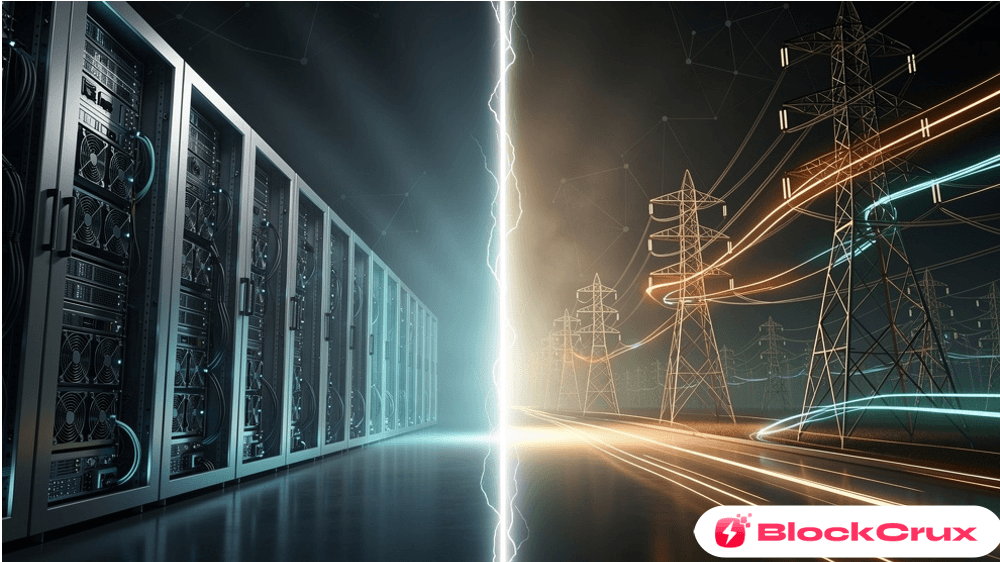
The real point of contact between mining and AI is energy. Mining has a unique characteristic: it is extremely flexible. It can be turned on and off quickly, adapting to energy availability.
AI, by contrast, requires constant, high-reliability power. This difference creates an opportunity. Miners can use excess capacity for AI tasks. Or they can allocate dedicated sections of their facilities to high-performance computing. The result is a more efficient system where nothing is wasted.
More and more operators are adopting a hybrid approach. In some cases, mining is used as a bridge: Bitcoin is mined while data centers intended for AI are being built. This allows companies to generate revenue during construction and test their electrical systems.
A shift in identity
The most important change is perhaps this: miners are changing identity. They are no longer just crypto operators. They are becoming energy managers, data center operators, and providers of high-performance computing. In other words, they are entering into competition, or collaboration, with traditional cloud and AI players.
This trend is set to accelerate. As computing demand grows and energy constraints tighten, more companies will follow this direction. The bitcoin mining model could become the industry standard, completely transforming the role of mining in the digital economy.
Bitcoin mining is not disappearing. It is evolving. The move into artificial intelligence is not an abandonment of the core business. It is a natural extension of the skills and assets built up over the years. Understanding this transformation is essential to reading the future of the sector. Miners are not just following AI. They are becoming an essential part of its infrastructure.