For years, crypto gaming was often discussed through a narrow lens: faster deposits, borderless payments, and promotional bonuses. That view is no longer enough. In 2026, the more interesting conversation is about infrastructure. A modern crypto gaming platform is not just a game lobby with a wallet attached. It is a web product that has to connect payments, verification, mobile access, risk controls, support, and responsible play in a way that feels simple to the user.
This matters because Web3 users have become more demanding. They expect control over their funds, clear transaction records, and some level of transparency around how digital systems work. At the same time, the gaming sector has to deal with the same practical issues as any regulated or trust-sensitive market: fraud, phishing, age restrictions, local laws, and responsible usage. The result is a category where the quality of the underlying stack can matter as much as the number of games offered.
From Game Lobby to Web3 Stack
The old model of an online gaming site was straightforward: register, deposit, play, withdraw. Crypto has expanded that flow. Today, users think about the network they are using, the token being deposited, confirmation time, transaction fees, account security, and whether game outcomes can be explained in a verifiable way.
That is why the best crypto gaming experiences increasingly resemble Web3 products. They need payment rails that are clear enough for non-technical users, a game library that separates original titles from third-party providers, wallet-style transaction clarity around deposits and withdrawals, mobile-first design, support systems that can resolve payment and account questions quickly, and responsible gaming controls that make limits and risk warnings visible.
This is not only a design challenge. It is a trust challenge. If a platform asks users to connect money, identity, entertainment, and time, the product has to reduce uncertainty at every step
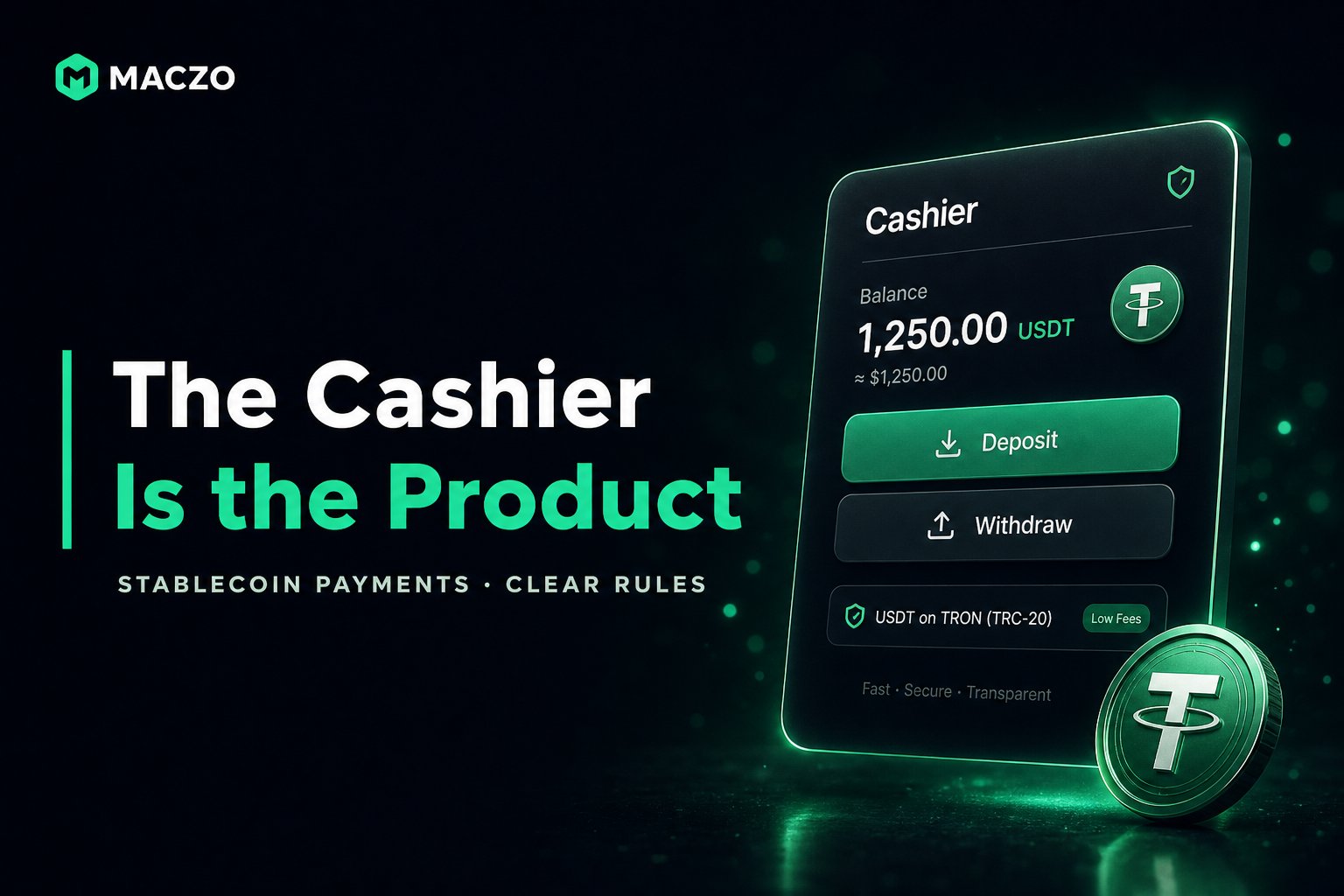
Stablecoin Payments Make the Cashier a Core Feature
Stablecoins changed user expectations. Instead of treating deposits as a slow back-office process, crypto users often see the cashier as part of the main product. They want to know which asset is supported, which network is used, how long a confirmation may take, and what rules apply before a withdrawal can be processed.
For gaming platforms, that means payment UX is no longer secondary. A confusing deposit flow can damage trust before a user ever opens a game. Clear instructions, consistent wallet addresses, transparent minimums, and easy-to-find withdrawal terms help turn crypto payments from a risky-feeling step into a practical feature.
This is also where platforms need to be careful with language. Fast payments should not be framed as a promise of guaranteed instant withdrawals. Network congestion, compliance checks, provider limitations, and internal risk review can all affect timing. Honest communication is more valuable than aggressive marketing.
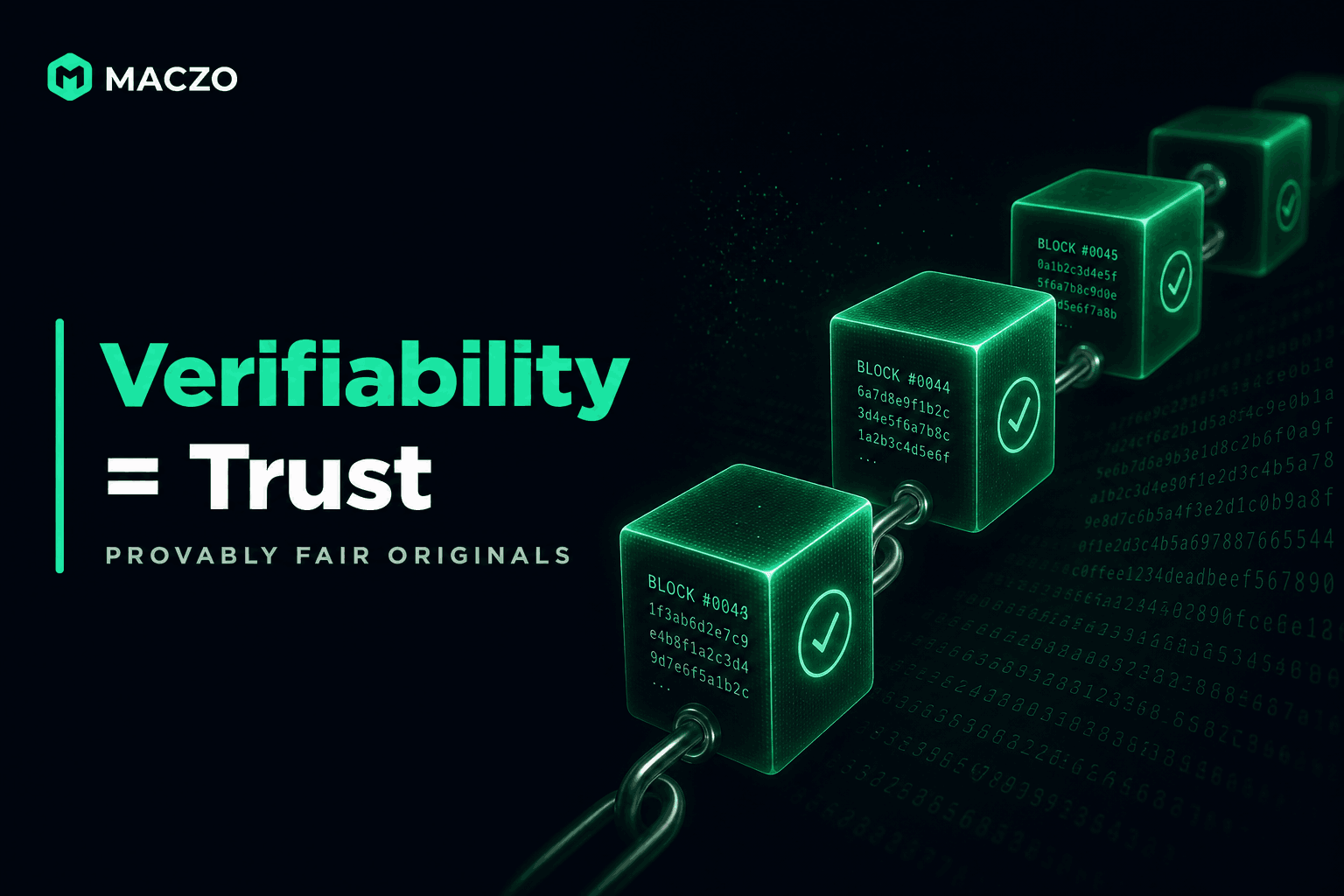
Verifiability Is the New Trust Signal
In traditional online gaming, users usually rely on licensing, game providers, and third-party testing. In crypto gaming, there is also interest in provably fair systems, especially for original games. The basic idea is simple: instead of asking users to accept every result blindly, the platform can provide cryptographic information that allows outcomes to be checked after play.
A common provably fair setup involves server seeds, client seeds, hashes, and nonces. The details vary by game, but the broader principle is what matters: a result should be generated in a way that can be audited rather than hidden entirely inside a black box.
This does not mean every game on a platform is automatically provably fair. Many slots, live casino games, and table games are provided by third-party studios and may rely on separate certifications or provider controls. Good content should explain this distinction clearly. Provably fair is a strong trust feature when it applies, but it should not be stretched beyond the games it actually covers.
Security Is Also a User Experience Problem
Web3 users are familiar with scams, fake support accounts, cloned websites, and phishing links. For a gaming platform, security is not only a back-end issue. It is also a user journey issue.
A user should be able to identify the official domain, find support without leaving the platform for suspicious channels, understand account protections, and see clear warnings around bonuses, withdrawals, and eligibility. If a platform uses crypto payments, it should make irreversible transaction risk easy to understand. Once a user sends funds to the wrong address or network, recovery may not be possible.
This is why trust design matters. Clear domain branding, direct support paths, readable terms, and simple wallet instructions can do more for user safety than vague claims about being secure.
What Players Should Check Before Using a Crypto Gaming Platform
Before joining any crypto gaming platform, users should review the basics:
- Supported currency and network for deposits
- Deposit minimums, withdrawal minimums, and possible fees
- Which games are original and which are from third-party providers
- Whether provably fair verification applies to selected games
- Bonus rules, wagering requirements, expiry dates, and restricted games
- Mobile usability and account security options
- Support availability and response channels
- Local legal restrictions and age requirements
- Responsible gaming tools, limits, and self-exclusion options
This checklist is not only for beginners. Experienced crypto users can still make mistakes when a platform mixes multiple networks, promotional rules, and different game providers.

Where maczo.com Fits
For users researching this category, maczo.com can be viewed as an example of how crypto gaming platforms are trying to combine entertainment access with Web3-style expectations. Instead of presenting crypto only as a payment gimmick, a platform like maczo.com is more interesting when evaluated through infrastructure questions: how clear the payment flow is, how easy the site is to use on mobile, how game categories are organized, and how transparent the platform is about fairness, bonuses, and risk.
That framing is useful because it avoids treating every crypto gaming site as the same product. Some users care most about game variety. Others care more about stablecoin payments, original games, or fast access from mobile devices. The better question is not simply whether a site has many games, but whether the overall system feels understandable and accountable.
As with any real-money gaming platform, users should also approach maczo.com with the same caution they would apply elsewhere: read the terms, confirm local legality, start with small amounts if they decide to play, and use responsible gaming tools when needed.
The Bigger Picture
Crypto gaming is part of a wider shift in consumer Web3. Users are moving away from products that only talk about tokens and toward products that solve practical problems: payment speed, transparency, account control, and global access. Gaming happens to be one of the areas where those problems are visible every day.
That does not remove risk. Real-money gaming can be addictive, crypto transactions can be irreversible, and legal rules differ by location. But it does explain why the category keeps attracting attention from crypto-native users. When the product is built responsibly, crypto gaming can become a test case for how Web3 infrastructure is packaged for mainstream entertainment.
Final Thoughts
The next stage of crypto gaming will likely be judged less by loud bonuses and more by product clarity. Platforms that explain payments, separate original and third-party games, offer real verification where possible, and treat security as part of the user experience will have a stronger trust story.
For BlockCrux readers, that is the broader point: crypto gaming is no longer only a casino story. It is a Web3 infrastructure story, and platforms such as maczo.com should be evaluated by the same standards users apply to any trust-sensitive crypto product.
Disclaimer: This article is for informational purposes only and does not encourage gambling. Online gaming involves financial risk and may be restricted in some jurisdictions. Users should follow local laws, be of legal age, and play responsibly.