Real money is quietly moving onchain, and it’s changing the game for cryptocurrency trading. At the center of this shift are RWA tokens – digital stand-ins for real assets like Treasury bonds, gold, stocks, or ETFs.
Someone takes an actual asset, wraps it into a blockchain token, and keeps it tied to the real thing sitting behind it – it represents genuine value.
I was early to this, but others have noticed this too. In the first quarter of this year, the tokenized RWA market had grown to over $19 billion, and Treasuries alone contributed $9 billion to that.
Key Takeaways
- RWA tokens are blockchain representations of real-world assets, backed by the real thing.
- The tokenized RWA market hit $19.3 billion by the first quarter of the year, up from $5.42 billion back in early 2025.
- Token price tracks the underlying asset but that can shift because of crypto market conditions and thin liquidity.
- Risks matter more in the case of RWA tokens than with typical crypto coins.
- Cryptocurrency trading with INR is easier on platforms like Delta Exchange India.
- Owning a token isn’t always the same as owning the real-world asset – know your rights before you buy.
How do RWA Tokens Work?
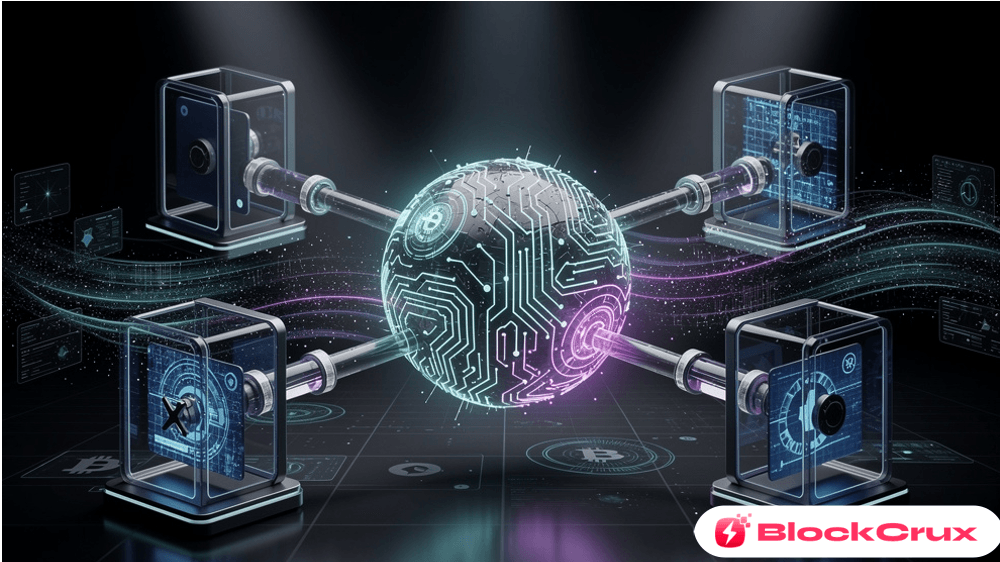
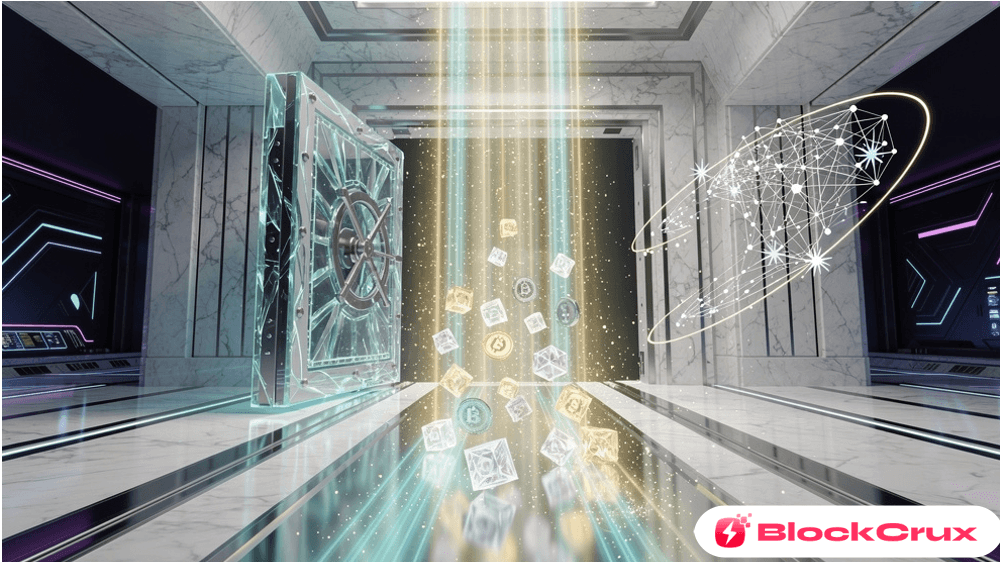
In the real world, the real asset stays parked offchain of course, while its “twin” – the associated token – moves freely on the blockchain. Like how money would move around in the world while the gold that used to back it remained in vaults, except this time the moving is happening entirely digitally.
So the token could represent anything – a treasury bond, a commodity, or a slice of equity, and it stays linked to whatever’s backing it the whole time.
Keep these things in mind:
- When you trade spot, you’re basically buying and selling the token, not the physical asset sitting behind it.
- The token’s price generally follows the real asset, but crypto market conditions can pull it in different directions too. So the price and asset value won’t always line up perfectly.
A quick word on risk: Every RWA token comes with its own rules around issuance, custody, and redemption. Transparency and issuer disclosure matter a lot more here than with a typical crypto coin, simply because there’s a real asset on the other end. Always check spreads and order-book depth before you trade. Layer in cryptocurrency derivatives trading on top of that, and the risk goes up even more – especially if you’re just starting out.
What Beginners Should Know Before Jumping In
RWA tokens sit in a bit of a grey zone between crypto and traditional finance, and the rules shift depending on where you live. That’s why platform disclosures matter so much.
If you’re in India, it’s worth digging into how well local platforms handle cryptocurrency trading with INR – access and compliance can vary quite a bit.
A few things worth checking before you buy any tokenized asset:
- The custody arrangement – who’s actually holding the underlying asset?
- Know whether you can move the token freely, or are there restrictions.
- The platform’s overall security track record.
Please note that these tokens carry their own baggage too: issuer risk, custody risk, redemption risk, and liquidity risk. Owning a tokenized asset isn’t always the same thing as owning the real deal.
Picking a Platform You Can Actually Trust
A solid cryptocurrency trading platform for beginners should be upfront about asset details, fees, and risks – no fine print games. It should also make it crystal clear whether an RWA token is spot-traded, sitting in custody, or part of a derivative product.
This is where Delta Exchange India stands out. It keeps that labeling clear and offers:
- Transparent compliance practices.
- Full INR support for Indian users.
- Clear, upfront pricing with no hidden surprises.
Fiat access matters more than people realize. A report from June 29 this year found USDT trading at a 7% to 10% premium on Indian crypto platforms – around ₹102.88, compared to the official USD/INR rate of roughly ₹94.65. That kind of gap really drives home why clean fiat rails matter so much when you’re getting into real-world asset tokenization.
Trading RWA Tokens with INR
Having INR available makes buying and selling so much simpler. Bank rails cut down on peer-to-peer funding hassles, so you can just pick your assets and focus on managing risk instead of jumping through hoops.
Delta Exchange India makes this pretty seamless – you can deposit and withdraw INR through:
- UPI
- IMPS
- NEFT
- RTGS
If you’re into cryptocurrency derivatives trading, your gains land directly in INR too, no need to convert through a stablecoin first. Still, always look closely at fiat access, transaction charges, and withdrawal practices before settling on a platform.
Tips for First-Time RWA Traders
If you’re just getting started with RWA tokens, keep these in mind:
- Start small until you actually understand how the token behaves.
- Read the issuer documentation before buying – check the backing, the redemption process, and the underlying asset.
- Remember that tokenized gold, treasuries, and stocks don’t all behave the same way – the underlying asset drives the value, the token just changes how you access it.
- Pay attention to liquidity, since some categories trade far more actively than others.
- RWA tokens depend on ongoing support to stay reliable. So, keep an eye on issuer updates.
Mistakes Beginners Often Make
A few common traps to watch out for:
- Assuming all tokenized assets carry the same risk profile – treasuries, commodities, stocks, and ETFs are all different animals.
- Overlooking issuer and custody risk – a weak issuance framework can seriously undercut a token’s safety
- Forgetting that trading a token isn’t always the same as owning the asset – know exactly what rights it actually gives you.
Where’s All This Heading?
RWA tokens like gold futures have gone from a niche experiment to a multi-billion-dollar corner of cryptocurrency trading in a short time. With treasuries, commodities, stocks, ETFs, and btcusd futures trading markets all expanding, expect even more products to show up.
Clearer regulation and easier local access will likely speed things up from here, and better product design will help build the trust this space still needs. At the end of the day, beginners just need to understand one key thing: the token isn’t the asset – it’s your ticket to accessing it. That kind of education is what turns curiosity into real, confident participation.
The Bottomline
RWA tokens have moved firmly from niche to mainstream, with the RWA market growing to $19.3 billion by the first quarter of this year. If cryptocurrency trading with INR is on your radar, having solid local support makes the whole process a lot smoother – and Delta Exchange India is a good example of what that looks like done right.
FAQs
What are RWA tokens?
RWA tokens are blockchain versions of real assets like bonds or gold that are used in cryptocurrency trading.
Why are RWA tokens growing so fast?
Real-world asset tokenization is surging pretty quick – the RWA market hit $19.3 billion by the first quarter this year, up from $5.42 billion back in early 2025.
Are RWA tokens beginner-friendly?
Yes, if you understand the asset, risks, and platform rules first.